
Virtual Team Building
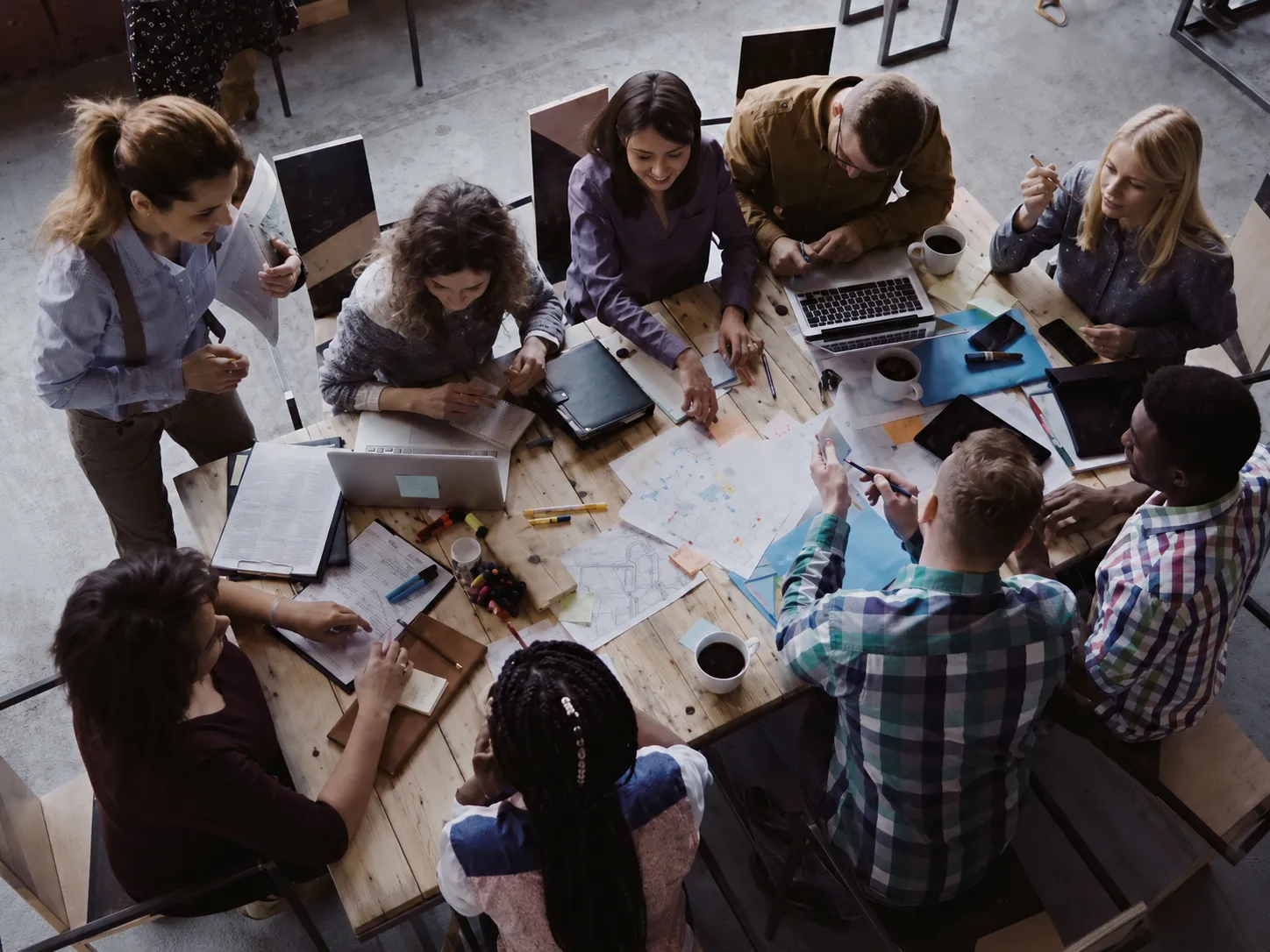
Employee engagement and experience is essential for retention of staff. Regular check-ins with management (virtual or in-person) go a long way to building trust. Defining the corporate culture, highlighting successes and employee engagement can enhance the workplace environment.
We are social beings and sometimes it is difficult to understand or communicate clearly with someone not in the same room. Companies have new challenges in reorganizing their space to accommodate both remote and group work.
Ongoing training and continual learning are other ways to support long term employees. It has been found that professional development, re-skilling and up-skilling actually increases employee retention by 94%. Using the interior design of the office to enhance a company’s brand can have a critical impact on both employees and customers. Design elements can help tell the “story” of the business and instill a sense of pride in the organization.
Sustainability
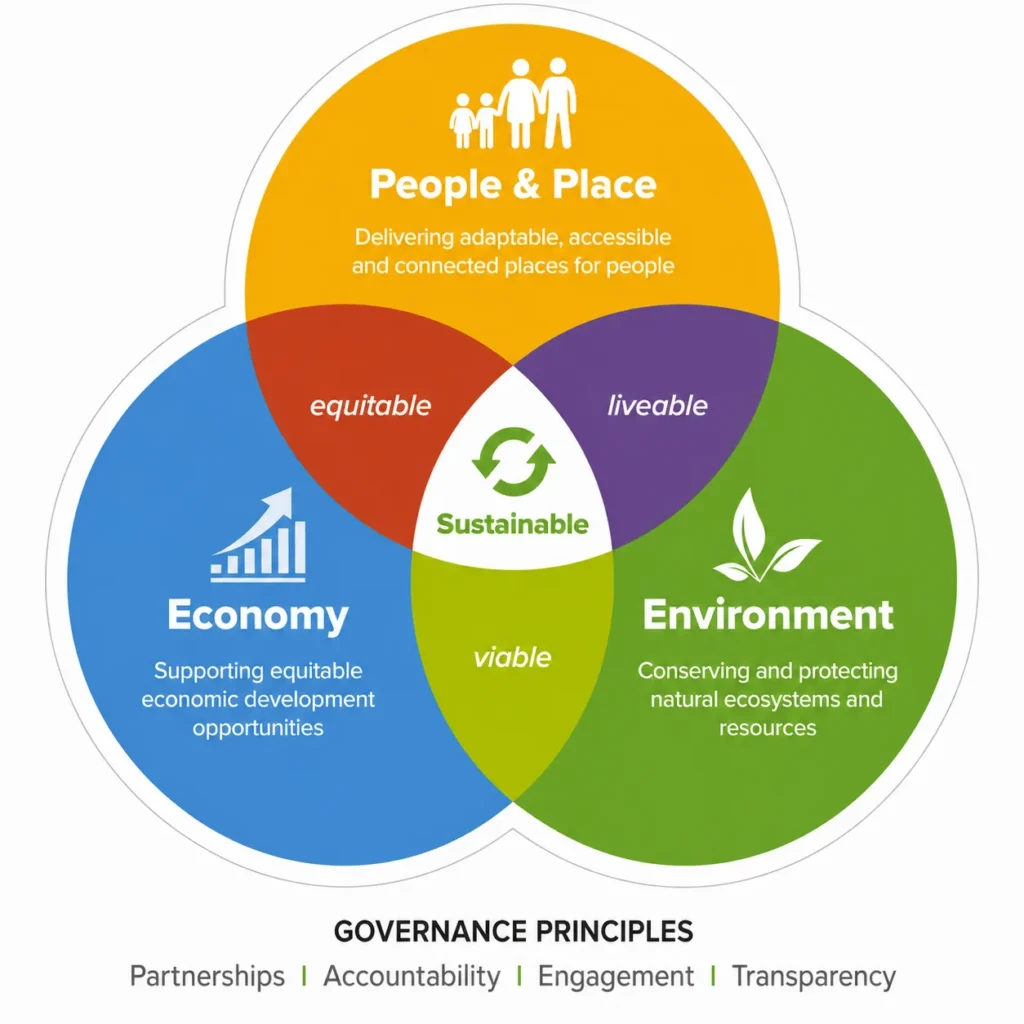
In the past few years there has been an increased awareness of the importance of sustainability in our built environment. Initiatives such as LEED and WELL Building Standards have helped bring many issues including environmental, social and economic factors to the forefront. Major companies now better understand the impact their decisions have on the local, national and world stage along with the importance of those issues to their workers.
Use of healthy and sustainable building materials as well as a better quality of air/water/light/sound and thermal aspects of our workspaces and buildings can enhance the health of our workers in addition to protecting our natural resources.
Flexible Workplaces
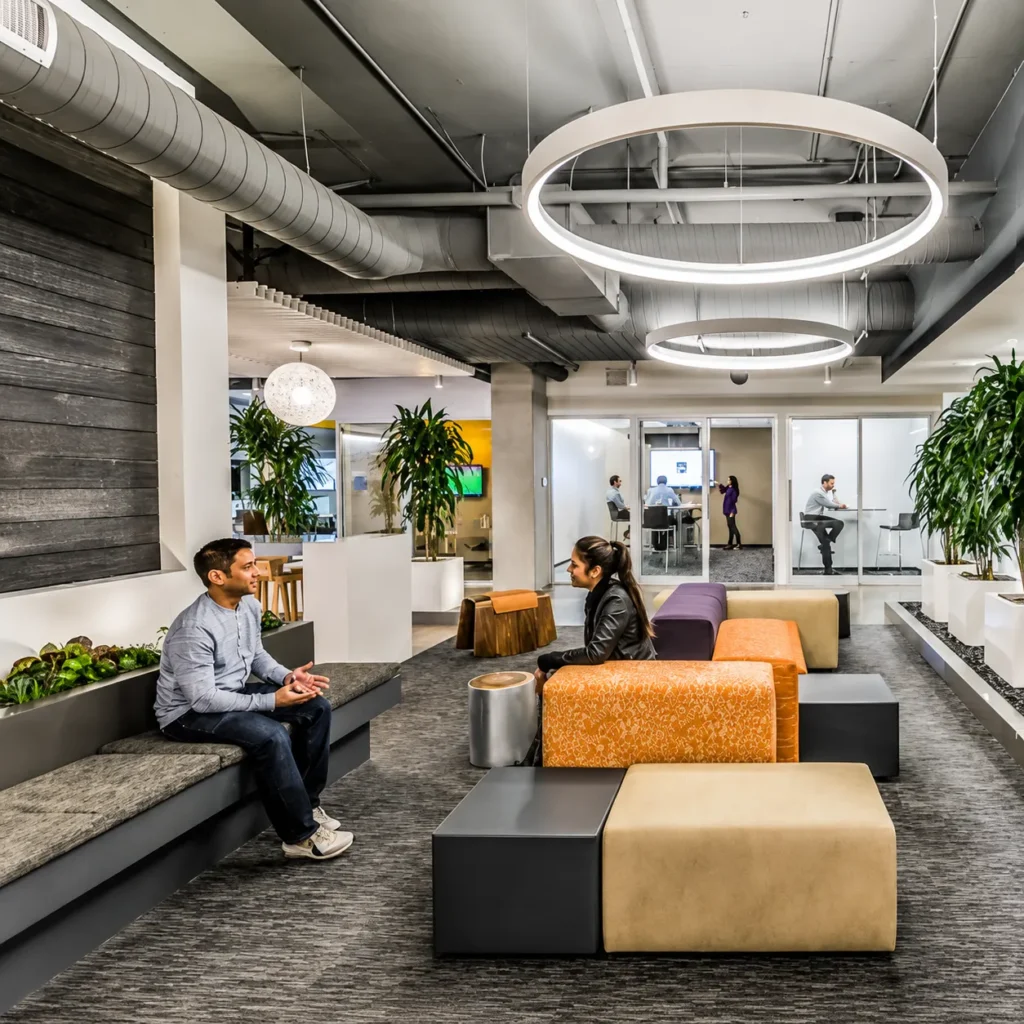
Modern office design should support the different ways employees work throughout the day. Some tasks require quiet concentration, while others depend on collaboration, discussion, and creative problem-solving. A well-planned workplace can provide a variety of settings, including private offices, open work areas, meeting rooms, informal gathering spaces, and quiet zones.
Flexible furniture and adaptable layouts allow companies to respond more easily as teams grow or workplace needs change. Movable partitions, modular workstations, and multipurpose rooms can help organizations make better use of their space without requiring major renovations every time a department changes.
The goal is to create an office that supports both individual productivity and teamwork. Employees should be able to choose the type of environment that best fits the task they are completing. This flexibility can improve comfort, reduce distractions, and help employees remain engaged throughout the workday.
Employee Well-Being
Employee well-being has become an increasingly important part of office design. The physical environment can influence comfort, stress levels, concentration, and overall job satisfaction. Natural light, comfortable temperatures, proper acoustics, ergonomic furniture, and access to outdoor views can all contribute to a healthier workplace.
Break rooms, wellness rooms, and comfortable informal spaces also give employees opportunities to step away from their desks and recharge. These areas do not need to be large or elaborate. Even a small, thoughtfully designed space can help employees feel supported and valued.
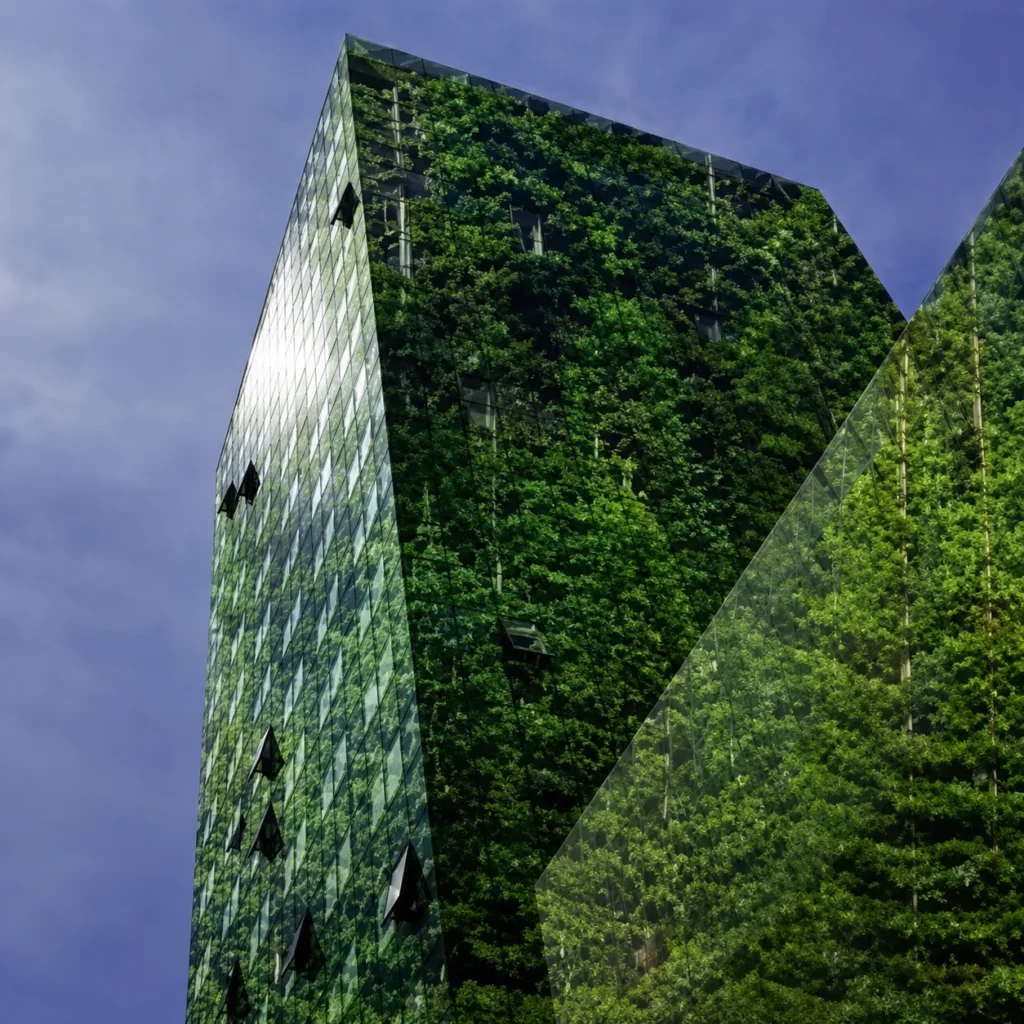
Biophilic design is another growing workplace trend. Plants, natural materials, daylight, and colors inspired by nature can make office environments feel more welcoming and less institutional. These elements can also strengthen the connection between employees and their surroundings.
Technology and Collaboration
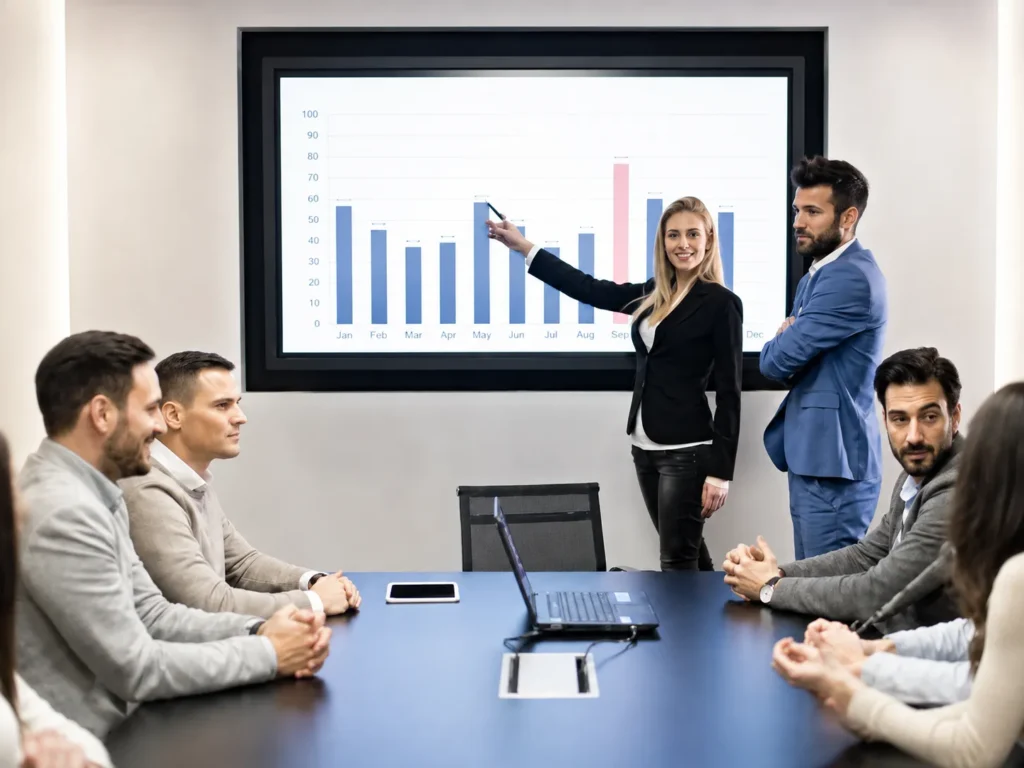
Technology now plays a central role in how offices are planned. Meeting rooms must support both in-person and remote participants, making reliable video conferencing, clear audio, appropriate lighting, and accessible power connections essential.
Poorly designed virtual meeting spaces can make communication difficult and leave remote employees feeling disconnected. Thoughtful room layouts, properly positioned screens, and effective acoustic treatments can help everyone participate more equally, regardless of location.
Technology should be integrated into the office in a way that feels simple and natural. Charging stations, wireless presentation systems, room-booking tools, and flexible audiovisual equipment can improve efficiency while reducing interruptions during the workday.
Branding and Company Identity
An office can communicate a company’s values before a conversation even begins. Colors, materials, graphics, signage, and artwork can help visitors and employees understand the organization’s personality and mission.
Branding within the workplace should go beyond placing a logo on a wall. The design can reflect the company’s history, culture, products, services, and relationship with the community. Custom displays, project features, employee recognition areas, and storytelling graphics can make the space more meaningful.
A strong workplace identity can increase employee pride and create a consistent experience for clients, customers, and business partners. When the office environment reflects the company’s values, employees may feel a stronger sense of connection to the organization.
Accessibility and Inclusive Design
Inclusive workplace design considers the needs of people with different abilities, ages, backgrounds, and working styles. Accessible entrances, clear circulation paths, appropriate workstation layouts, readable signage, and properly designed restrooms help create a workplace that is easier for everyone to use.
Inclusive design also includes spaces for different sensory and communication needs. Quiet rooms can support employees who need fewer distractions, while adjustable lighting and acoustic treatments can improve comfort for a wider range of users.
When accessibility is considered early in the design process, it becomes part of the overall workplace experience rather than an afterthought. This approach can create an environment that feels welcoming, respectful, and functional for employees and visitors.
Acoustic and Privacy
Noise is one of the most common concerns in modern offices, particularly in open-plan environments. Conversations, phone calls, equipment, and movement can create distractions that affect concentration and productivity.
Acoustic ceiling materials, wall panels, carpeting, furniture placement, and sound-masking systems can help manage noise. Private rooms and enclosed meeting spaces also give employees places to hold confidential conversations or complete focused work.
Effective acoustic design does not require eliminating all sound. Instead, it should create an appropriate balance between energy, collaboration, privacy, and concentration. This balance is especially important in offices that support both group work and remote meetings.
Planning for the Future
Office design should respond to current needs while also allowing for future change. Companies may grow, reduce staff, reorganize departments, introduce new technologies, or adopt different work policies over time.
Planning adaptable spaces can help businesses avoid unnecessary costs and disruption. Infrastructure, furniture systems, lighting, and technology should be selected with flexibility in mind. A space that can evolve is more likely to remain useful and efficient for many years.
Long-term planning also supports sustainability. Reusing existing furniture, selecting durable materials, and designing spaces that can be modified instead of demolished can reduce waste and protect the company’s investment.
Innovative office design is about more than appearance. It is about creating a workplace that supports people, communication, productivity, wellness, and long-term business goals.
Virtual collaboration, flexible layouts, employee engagement, sustainability, technology, branding, accessibility, and workplace well-being are all connected. When these elements are considered together, the office can become a powerful tool for attracting employees, strengthening company culture, and improving the everyday work experience.
As workplace expectations continue to change, companies need environments that can adapt with them. A thoughtfully designed office can support both remote and in-person work while providing employees with a strong sense of connection, comfort, and purpose.
At Fortune Architecture & Design, we understand that every organization has different goals, challenges, and workplace needs. Through careful planning and creative design, businesses can create office environments that reflect their identity, support their employees, and remain functional for years to come.
Leave a Reply