

A Historic Landmark Reimagined for the Future
The Pepsi Coliseum at the Indiana State Fairgrounds in Indianapolis represents nearly a century of cultural, sporting, and entertainment history. Since opening its doors in 1939, the venue has become one of the city’s most recognised landmarks — a place where generations have gathered to experience unforgettable moments.
Throughout its history, the Coliseum has welcomed legendary performers and celebrated sporting events that have shaped Indiana’s entertainment identity. From early performances by ice skating icon Sonja Henie to appearances by global music legends such as The Beatles, Nat King Cole, and Neil Diamond, the Coliseum has always represented more than a performance venue — it has been a shared cultural experience.
The renovation project was guided by a central design philosophy: preserve the building’s historic identity while adapting it to meet the expectations of modern audiences. Instead of replacing its character, the transformation focused on enhancing its strengths and preparing it for future generations.
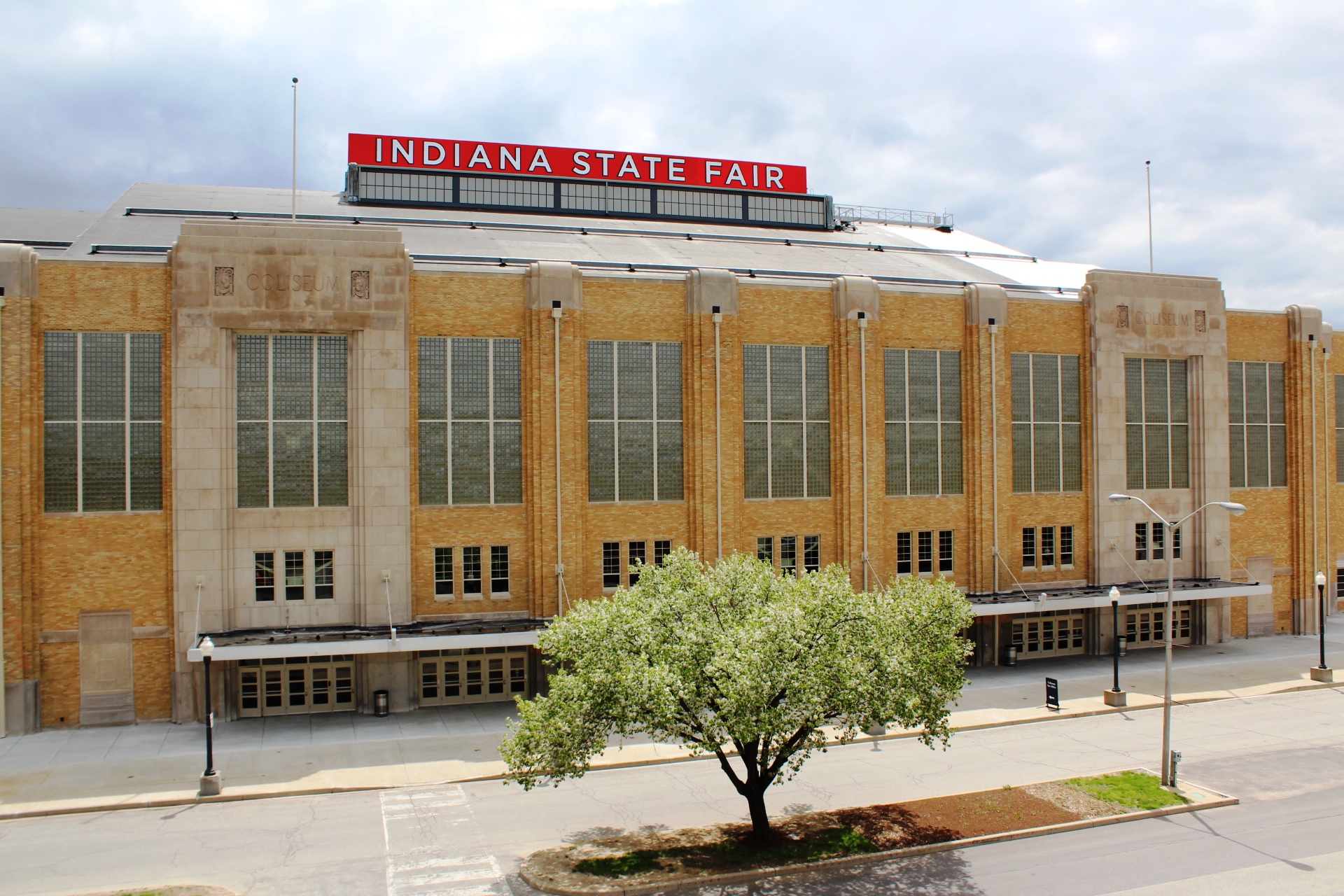
The renewed exterior reflects this balance between heritage and contemporary design. The building maintains its historic presence while introducing refreshed architectural elements that improve its functionality and visual appeal. The result is a revitalised landmark that respects its past while embracing a new era of entertainment.
An Interior Designed for Modern Event Experiences
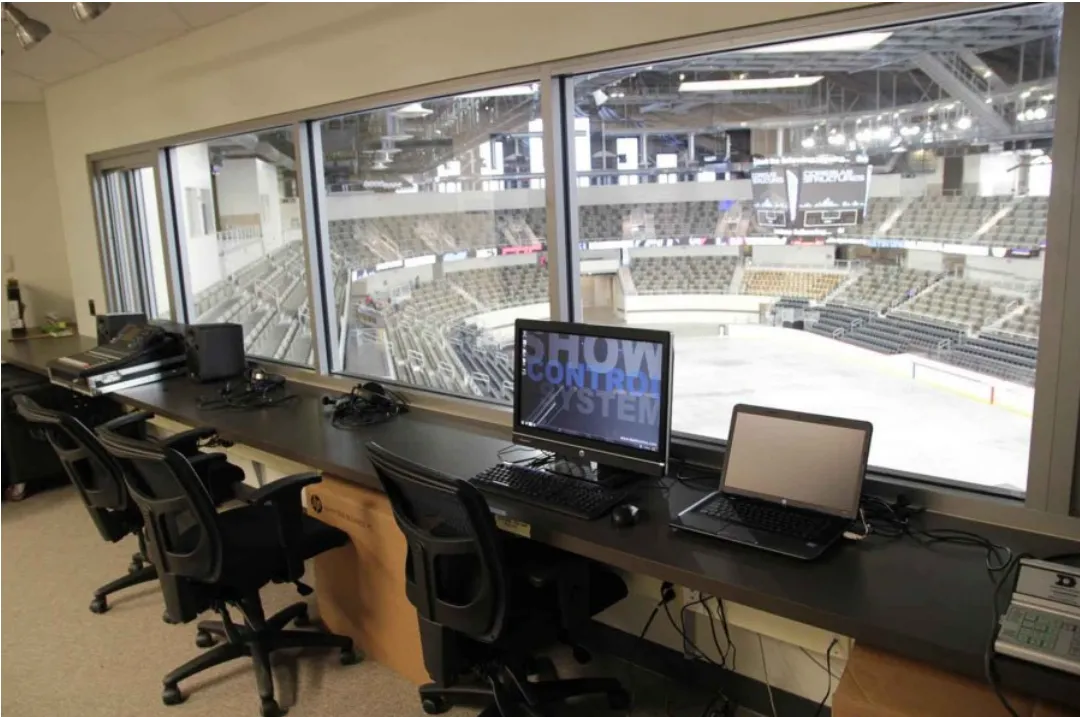
Inside the renovated Pepsi Coliseum, the transformation reveals a renewed focus on comfort, visibility, and operational efficiency. The interior upgrades were carefully developed to support the demands of modern sporting events, concerts, and large-scale gatherings while maintaining the atmosphere that made the venue iconic.
The redesigned seating bowl creates a more structured and immersive spectator experience. Improved sightlines allow audiences to maintain clear views of events from every area, ensuring that the energy of the arena reaches every visitor.
Beyond improving audience experience, the updated interior also enhances operational performance. The improved layout supports smoother movement, better event management, and increased flexibility for different types of programming.
A refined material palette introduces warmth into the large-scale arena environment. Brown and cream tones soften the industrial character of the space while creating a more welcoming atmosphere. These carefully selected finishes balance durability with visual comfort, allowing the venue to feel modern without losing its sense of familiarity.
Circulation and Fan Experience: Designing Movement with Purpose
One of the most important aspects of the renovation was improving how visitors experience the building from arrival to seating.
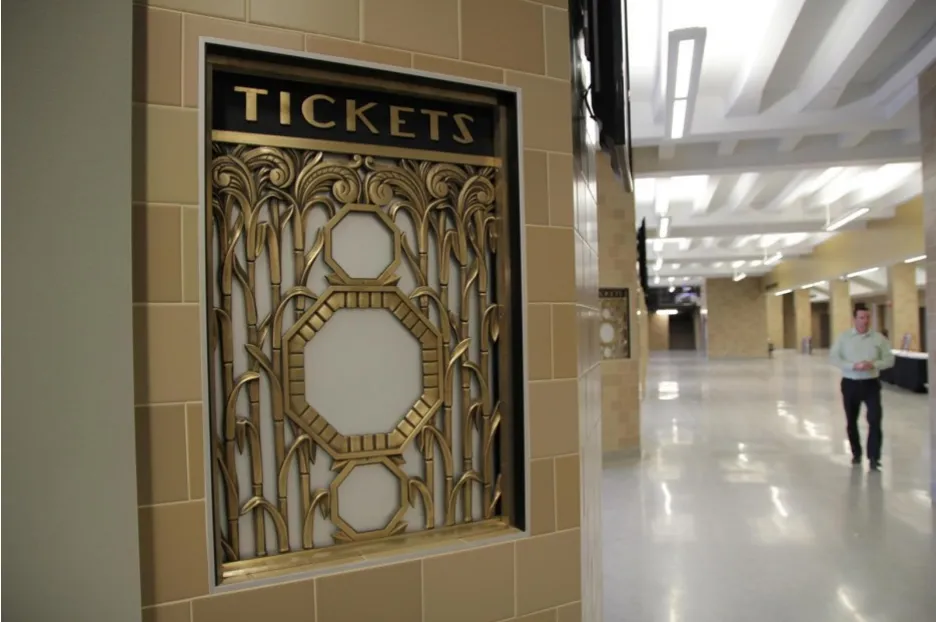
The redesigned concourse areas create clearer pathways throughout the venue, allowing guests to move efficiently between entrances, ticketing areas, concessions, and seating zones. This improved circulation reduces congestion during busy events while creating a more enjoyable arrival experience.
Ticketing and entry points were redesigned with efficiency and accessibility in mind. Instead of creating bottlenecks, the updated layout supports smoother crowd movement and allows visitors to transition naturally through the building.
Material consistency throughout these areas reinforces the overall design language. The continuation of warm tones and coordinated finishes creates a unified experience, ensuring that every space within the Coliseum feels connected.
A Modern Transformation Rooted in History
The renovated Pepsi Coliseum demonstrates how historic architecture can evolve without losing its identity. Every design decision contributes to a larger goal: extending the life of an important landmark while improving its ability to serve contemporary audiences.
From the refreshed exterior presence to the upgraded seating areas and improved visitor circulation, the renovation represents a series of thoughtful interventions rather than a complete reinvention.
The result is a venue that feels both familiar and renewed — preserving the memories attached to the building while creating new opportunities for future experiences.charm.

A Venue Built for the Future of Entertainment
The Pepsi Coliseum renovation demonstrates how historic arenas can be successfully adapted to meet today’s standards without losing their identity. Through improved seating design, enhanced circulation, and refined interior finishes, the building now offers a more engaging and comfortable experience for audiences across all types of events.
At Fortune Architecture & Design, this project reflects a commitment to preserving architectural heritage while advancing performance-driven design solutions. The result is a venue that continues to serve its community — not just as a historic landmark, but as a modern platform for entertainment, sport, and cultural connection.o come.
Preserving Legacy, Elevating Experience
The renovation of Pepsi Coliseum at the Indiana State Fairgrounds is a powerful example of how historic venues can be responsibly adapted for future generations.
Originally opened in 1939, the Coliseum carries decades of cultural significance. Maintaining that legacy required a careful approach that respected the building’s original identity while introducing improvements necessary for modern performance standards.
Through enhanced seating arrangements, improved circulation, upgraded interiors, and refined architectural finishes, the venue has been transformed into a more comfortable and efficient environment without sacrificing the character that made it meaningful.
The project highlights an important principle in contemporary architecture: preservation does not mean keeping buildings frozen in time. Instead, thoughtful design allows historic spaces to continue evolving, remaining useful and relevant as the needs of communities change.
At Fortune Architecture & Design, this project represents the belief that great architecture is not only about creating new structures — it is also about giving existing landmarks a renewed purpose.
The Pepsi Coliseum proves that when history and innovation are carefully balanced, architecture can continue to tell its story for generations to come.
Leave a Reply