


Modern workplaces are evolving to support more than just daily tasks—they are being designed to create environments where people can collaborate, focus, feel included, and work in ways that best suit their individual needs. From flexible, multi-functional spaces and hot-desking to privacy pods, integrated technology, and more inclusive workplace strategies, today’s office design is becoming increasingly adaptable. These trends reflect a growing focus on creating workplaces that support productivity, creativity, comfort, and a stronger sense of connection among employees.
Diversity and Inclusion
Clearly companies have taken note of the lack of diversity in their workforce. Efforts to create fair and safe workplaces for all cultures and ethnicities is the trend for 2022 and beyond. Many companies have increased their diversity in key leadership positions and are becoming more and more inclusive in their overall thinking, hiring and training practices.
Multi-functional Workplaces
This lack of regular face-to-face meetings has intensified the need to interact with our peers. While remote work may be productive, face-to-face meetings help workers better relate to one another. The key is to support different types of meetings through the use of technology as well as furnishings. While the current trend seems to be to minimize office space, the real need is to create more flexible and multi-functional space(s).
Each staff member thinks differently, so each employee needs a work environment that enhances their creativity. Furniture manufacturers have created easily rearrangeable and movable tables, chairs and workstations. Height adjustability is especially important for seating as well as work surfaces. These work areas should include technology like projectors, screens, and electronic whiteboards. They also need to accommodate personal storage for multiple users.
Especially with the institution of “hot-desking” those shared workspaces need to be cleanable and have access to technology. Spaces for collaborative group work as well as quiet work spaces are needed in a highly productive office environment. The use of privacy “pods” for singular use or small group use is one way to address needs for privacy and confidentiality beyond the typical permanent office.
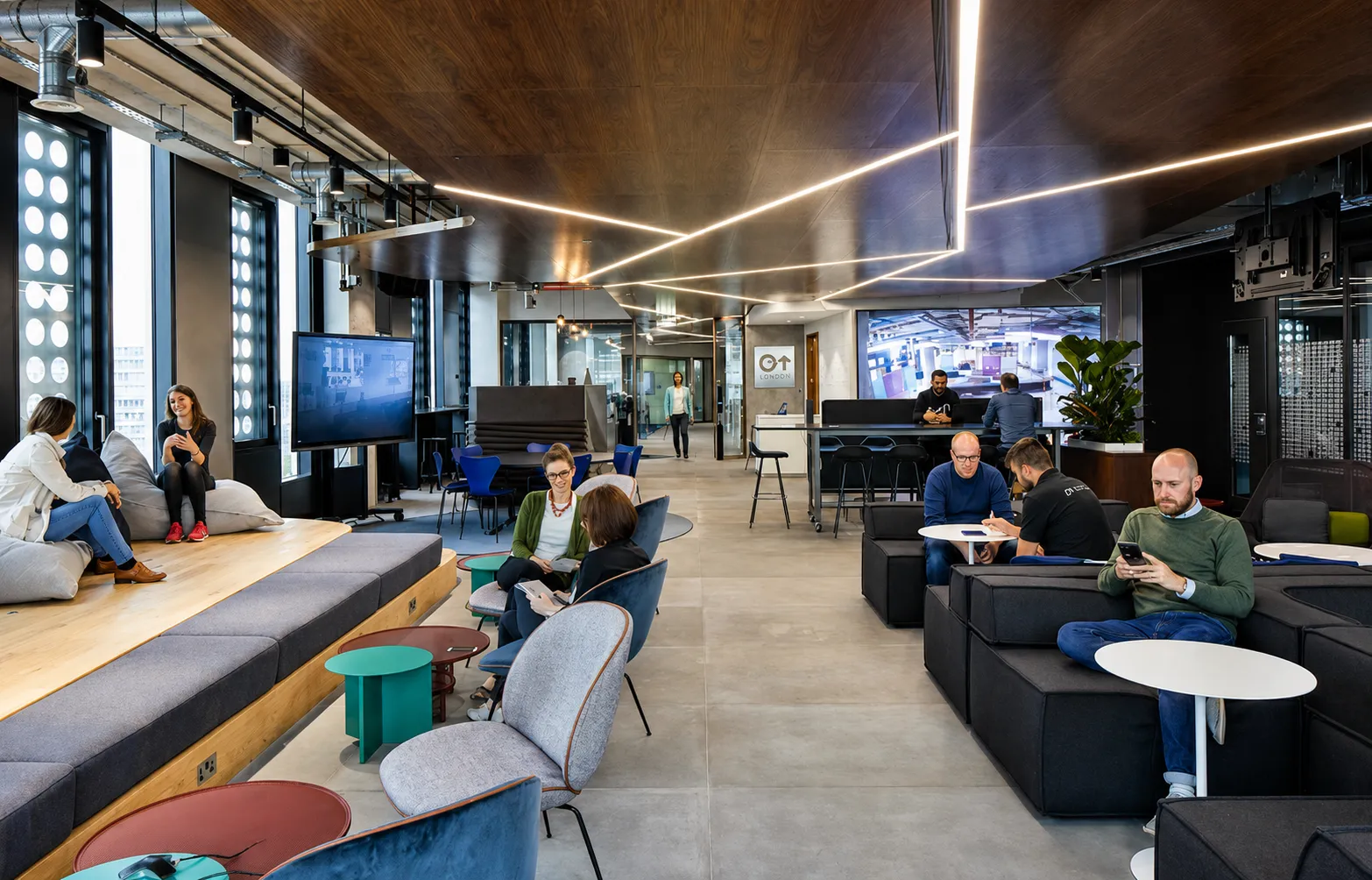
Creating Space for Collaboration and Privacy
Collaboration remains an important part of office life, especially as employees value opportunities for face-to-face interaction. At the same time, open offices can create challenges when employees need privacy or concentration. A successful workplace should provide both. Collaborative areas can encourage communication and teamwork, while quiet rooms, focus areas, and privacy pods can give individuals or small groups a place for confidential conversations, phone calls, virtual meetings, or concentrated work.
Designing More Inclusive Workplaces
Diversity and inclusion also have an important role in workplace design. An inclusive office should consider the different physical, cultural, and personal needs of the people who use it. Accessibility, comfortable circulation, adaptable furniture, varied work environments, and spaces that support different styles of working can contribute to a workplace where more employees feel comfortable and supported. Inclusive design is not limited to meeting minimum requirements; it is about creating environments that allow a broader range of people to participate fully in the workplace.
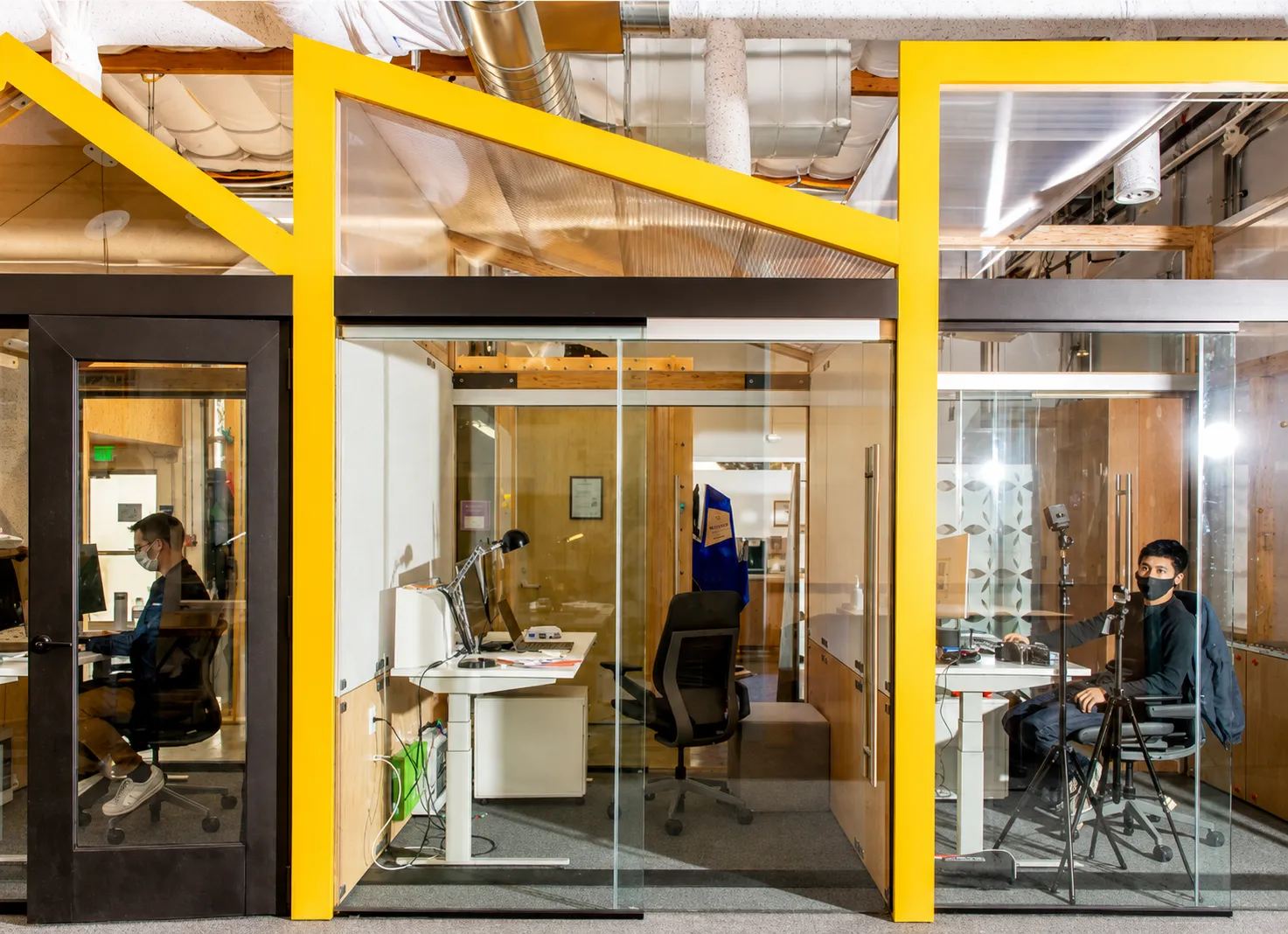
The Importance of Employee Experience
Office design can influence how employees experience their workday. Lighting, acoustics, furniture, technology, privacy, collaboration opportunities, and overall comfort can all affect how people feel within a space. By paying closer attention to these elements, companies can create workplaces that support productivity while also helping employees feel more connected to their organization and colleagues.
Conclusion
The modern workplace is becoming more flexible, connected, and responsive to the different needs of employees. Multi-functional spaces, adaptable furniture, integrated technology, shared workstations, privacy areas, and inclusive design strategies can all contribute to a more effective office environment. Rather than focusing only on reducing space, companies have an opportunity to create workplaces that use space more intelligently. By designing for collaboration, concentration, flexibility, and inclusion, organizations can create office environments that better support both their employees and the way work continues to evolve.
Leave a Reply